
Recently, our team member Jo Tulloch – Livestock & Feedlot Senior Analyst – participated in the 2026 ICMJ Asia Tour, visiting Japan, China and Indonesia. The tour provided exposure to the entire red meat supply chain including feedlots, abattoirs, value-add facilities, food service and industry bodies, offering valuable insights into how Australian beef is positioned in key export markets.
Japan
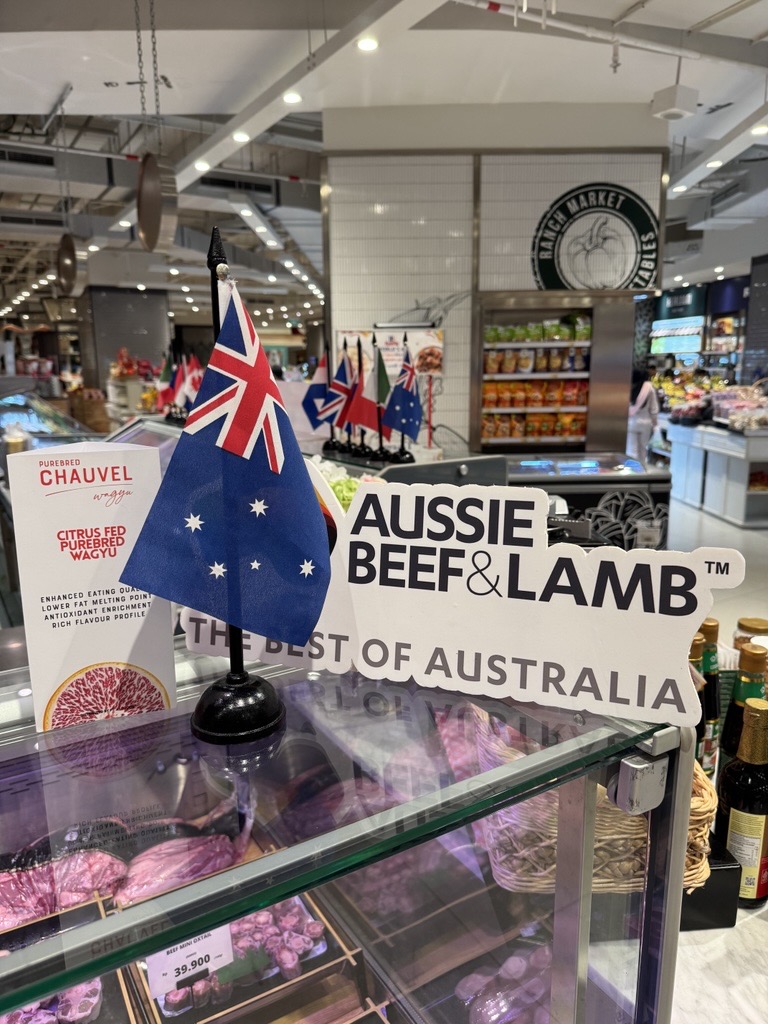
Japan is facing a prolonged cost-of-living crisis following decades of economic stagnation, meaning consumers are price conscious. Australia currently holds around 48% market share of beef imports to Japan and maintains a strong reputation for supplying high-quality, consistent product. Argentina and Brazil are expected to gain market access in the coming years and are likely to deliver a competitive lower-priced alternative. Regardless, Japan is a deeply relationship-based market and loyalty is integral to trade success. At the consumer level, preferences are changing with Japanese Wagyu increasingly perceived as ‘too marbled’. Around 70% of consumers now favour leaner cuts and there is a clear shift from A5 marbled Wagyu to A4. Greater emphasis is being placed on eating-quality attributes, including fatty acid composition and fine marbling in the rib eye. Australia is reinforcing its position in the market through strong brand visibility, supported by MLA’s Aussie Beef and Lambassador campaigns across Japanese supermarkets and restaurants.
China
China is Australia’s second largest export market, with approximately 14% of imported beef sourced from Australia. Grainfed beef is popular in China, and consumer demand is centered on stew, stir-fry and hot-pot style cuts, followed by grill cuts and steak. The Chinese economy is slowing, and geopolitical uncertainty continues to influence trade. Food safety is paramount in China following the African Swine Flu outbreak in 2018. A 55% tariff on Australian beef exports, expected to come into effect in May, was introduced to increase domestic beef production. The tariff is placing significant pressure on Chinese packers and retailers who will struggle to absorb the additional cost. They also hold great concern about losing year-round supply of chilled and frozen beef from trusted partners. Australian beef is promoted in supermarkets and restaurants through MLA’s Aussie Beef initiative. Chinese consumers are highly attuned to marketing, which is reflected in elaborate signage and in-store meat displays. E-commerce is a major part of the retail sector, with food delivered within 30 minutes.
Indonesia
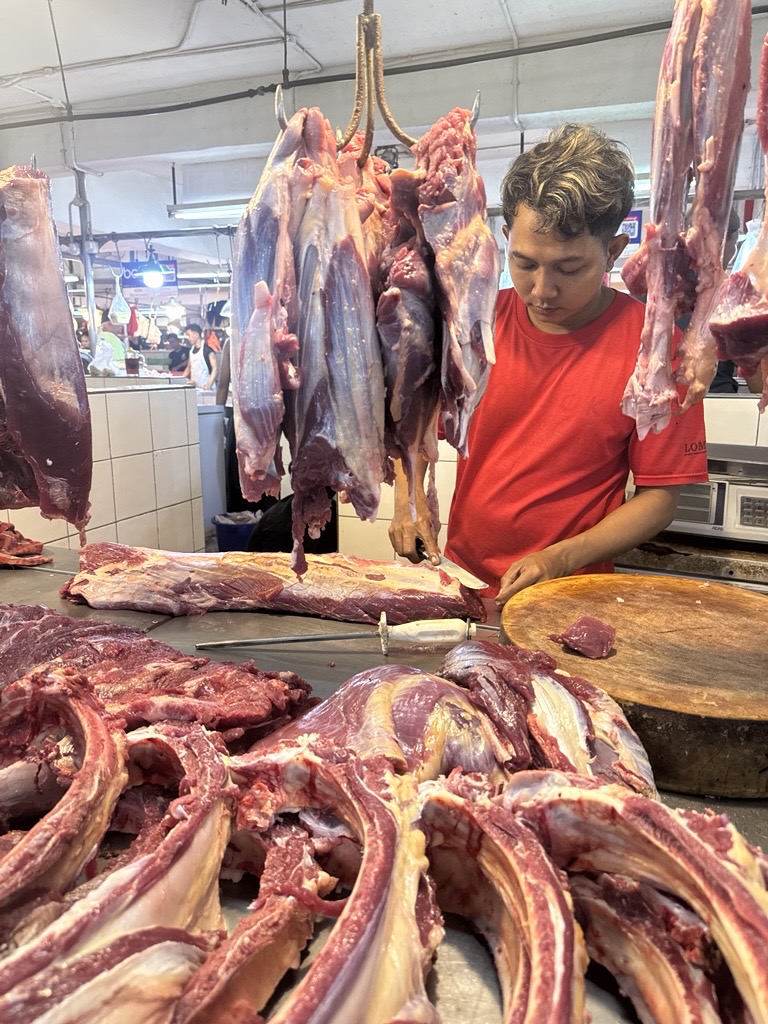
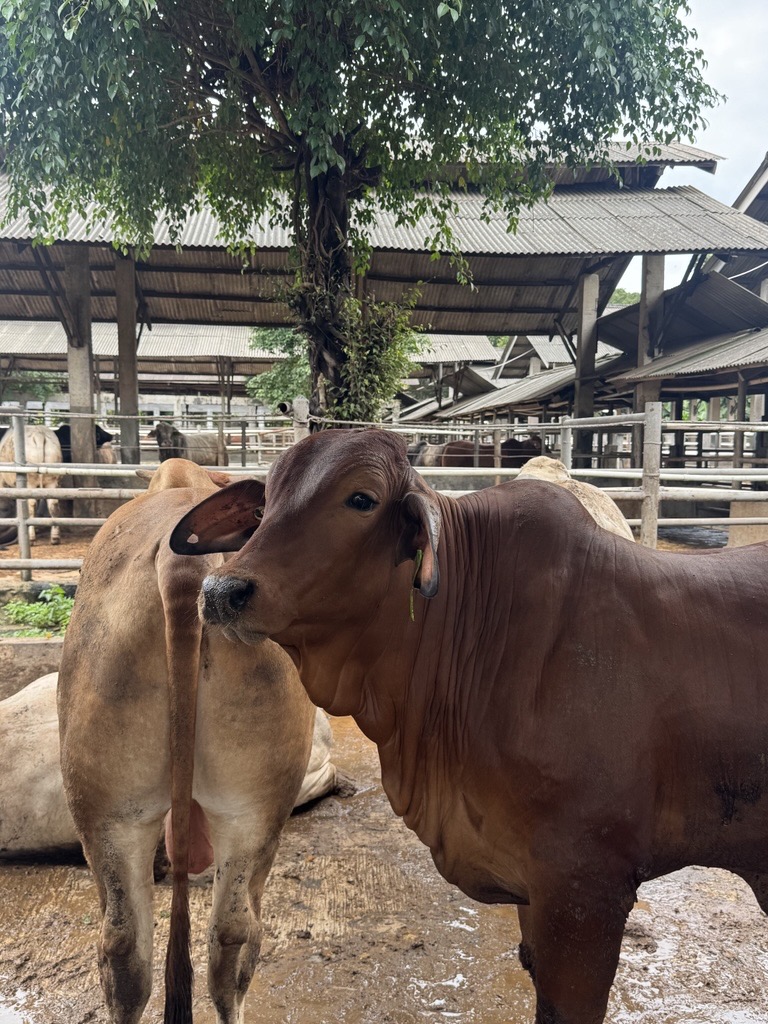
Indonesia is an important market for Australia, with live cattle and beef representing the second-largest export category, and Australia currently the sole supplier of live cattle into the market. Imported cattle are typically fed for three months before slaughter, and around 90% of carcasses are sold through wet markets. Only 20% of Indonesians eat beef regularly, typically in the form of curries, skewers and bakso balls. Per-capita consumption of beef is around 3kg per year. Indonesia’s population is rapidly growing and there is strong demand for Australian beef and lamb which is widely regarded as safe and healthy. Government policy is focused on national self-sufficiency, reflected in the requirement that 3% of imported cattle are breeder females to help build their domestic herd. Australia was awarded a 600,000 head export quota for 2026. The government has introduced price ceilings, with live cattle capped at ~$4.75/kg and beef capped at ~$12/kg. This has resulted in tight margins for feedlots. Brazil has also become increasingly active in the market through its supply of boxed beef, adding a competitive dimension to watch.